Iconography in Italy
Italian iconographers: how to choose who will paint your icon
In recent decades Italy has rediscovered the icon: schools, courses and workshops have sprung up across the peninsula, and alongside them a market of reproductions. For those who want to commission an authentic icon, choosing the iconographer is the most important decision.
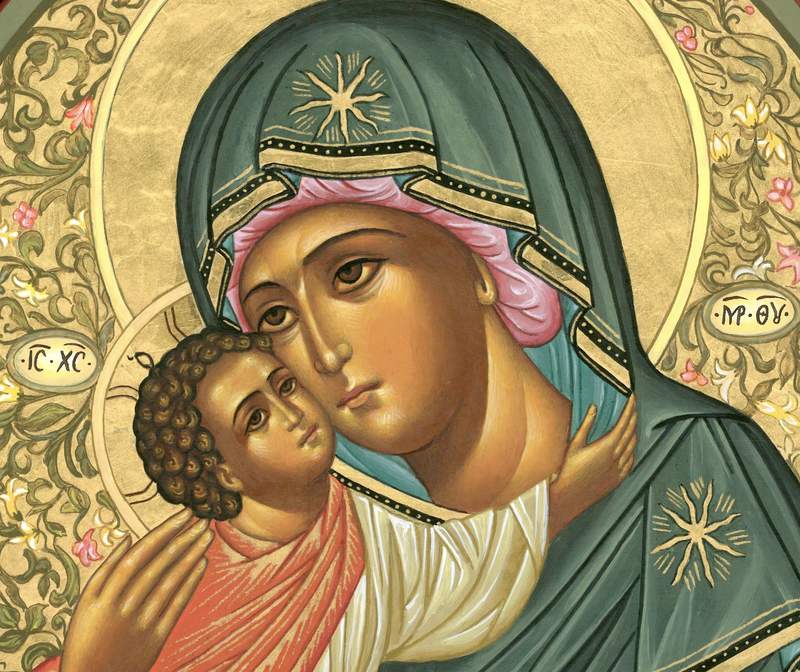
What makes an iconographer
An iconographer is not simply a painter of sacred subjects: they know and live the theology of the image, have received a technique from a school, respect the canon and work in prayer. In the tradition, transmission passes from master to pupil, often over many years.
Six questions to ask an iconographer
Who taught you?
The school and the master say a great deal about technique and faithfulness to the canon.
What materials do you use?
Gessoed panel, gold leaf (of what karat), egg tempera, olifa.
Can I see finished works?
Photographs of real icons, not only details or promotional images.
How do you document the work?
Photographs of each stage, a certificate of authenticity on real parchment, a description of the materials.
What recognition do you have?
Ecclesial attestations, exhibitions, works in places of worship.
How long does it take?
If the answer is «a few days», it is not an icon painted according to tradition.
The school of Lia Galdiolo
Lia Galdiolo is one of the most authoritative figures in contemporary Italian sacred iconography: her icons were present at audiences of Pope John Paul II, are kept in the Vatican and were exhibited in Saint Stephen's Cathedral in Vienna. Concetta Basile, her granddaughter and direct pupil, continues her school in the Russian-Byzantine technique, with the attestation of an Archimandrite of the Orthodox Church of the Ecumenical Patriarchate of Constantinople.
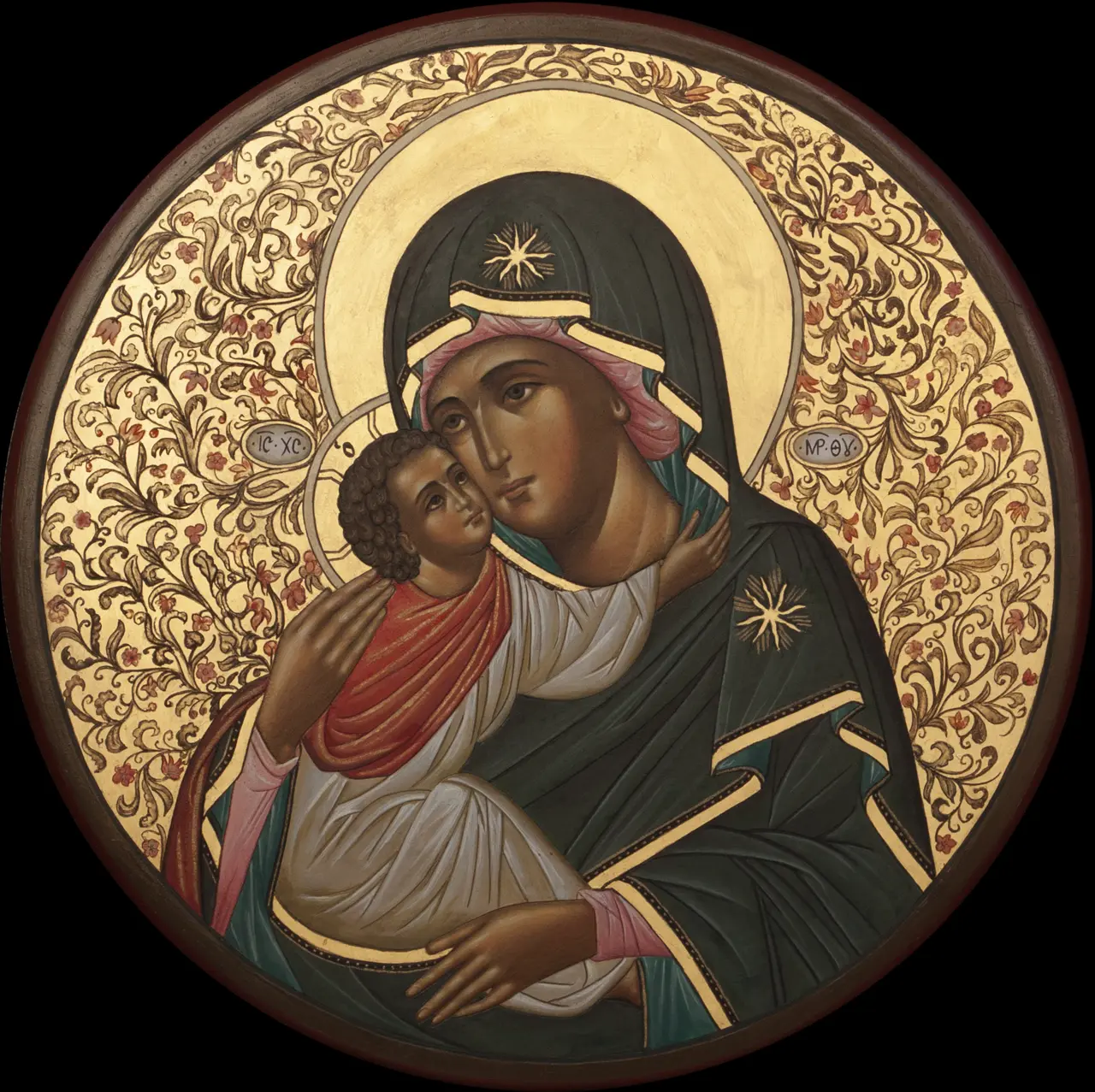
Virgin of Tenderness
Round panel, decorated gold ground.
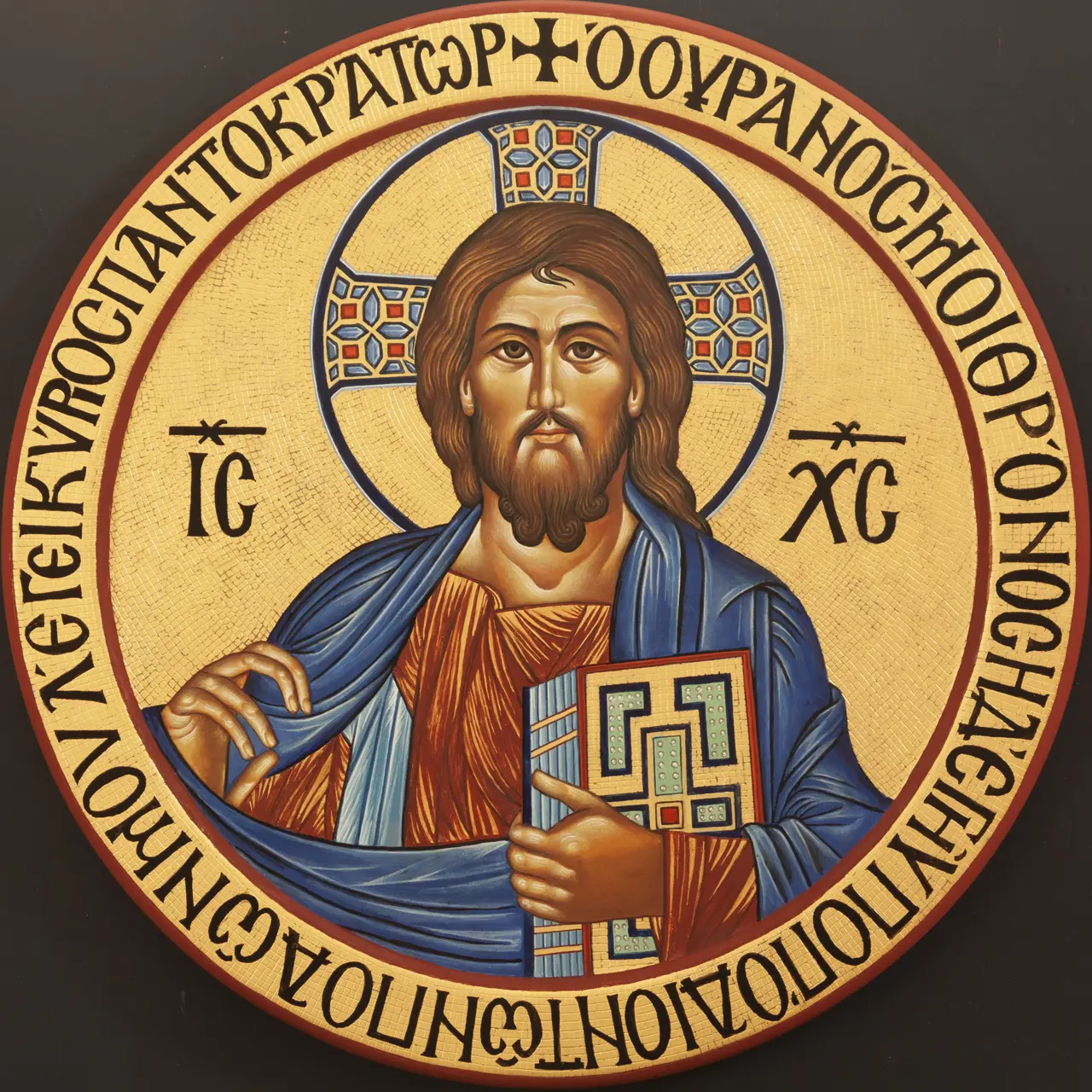
Christ Pantocrator
Greek inscription around the border.
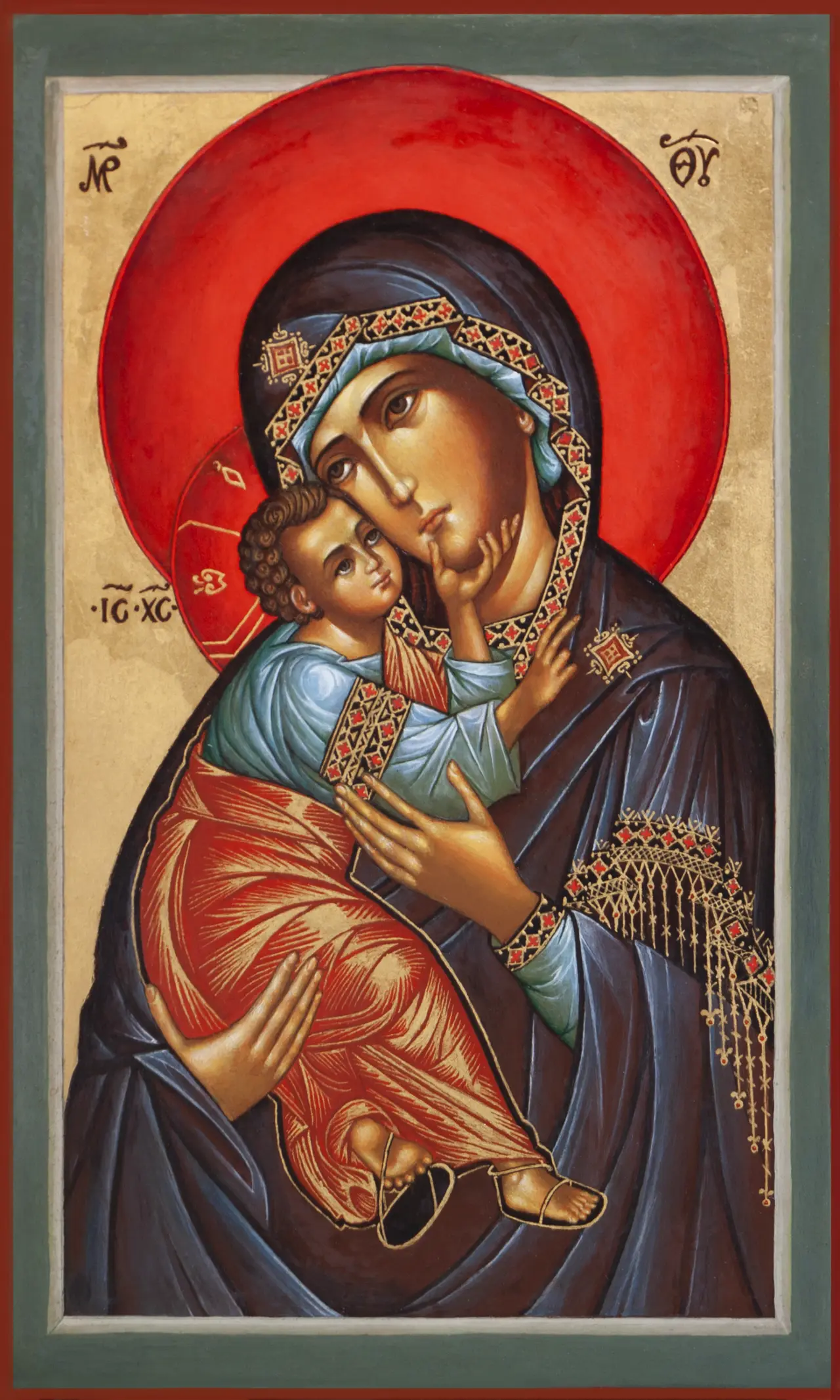
Madonna dei Martiri
Tenderness type, red halo.
Sicilian iconographers
Sicily has a deep bond with Byzantium: the mosaics of Monreale, the Palatine Chapel in Palermo and Cefalù Cathedral are among the summits of Byzantine art in the West, and the island's Greek-rite communities have kept the tradition of the icon for centuries. It is in this land that Concetta Basile paints her icons.